Subject: Engineering, Not Magic (The first full AI manual for B2B)
Hello,
This issue is dedicated to the first AI guide for B2B of 2026 The manual is available online and will be released in PDF format (200 pages) with priority access for subscribers. We deliver engineering, not magic.
INDICATORS
Why adopt AI in Sales?
Companies that use AI for personalization generate up to 40% more revenue, while 75% of B2B customers expect proactive offers. In addition, junior sales agents assisted by AI see performance gains of up to 20%, and the average e-commerce order value increases by 15%.
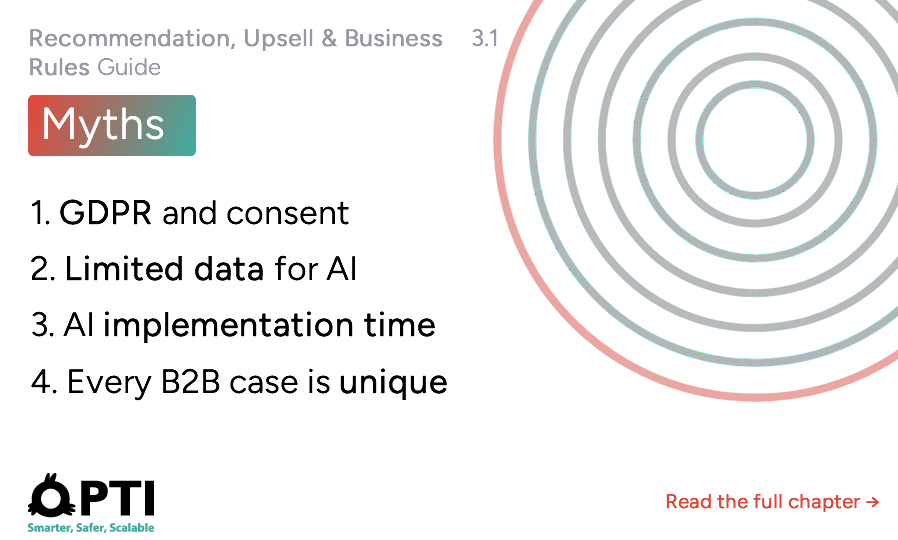
Many discussions around AI in B2B sales start from a defensive position: “Our ERP is outdated”, “we don’t have enough data”, “B2B customers are different”.
The guide shows how AI works in B2B when it is built on a company’s existing data and aligned with commercial rules,not as an isolated experiment.
A B2B manager considering the integration of AI into sales will assess the gap between what customers expect and what their sales team is currently able to deliver.
The guide proposes 10 concrete deliverables, each of which can be evaluated based on its risks and benefits:
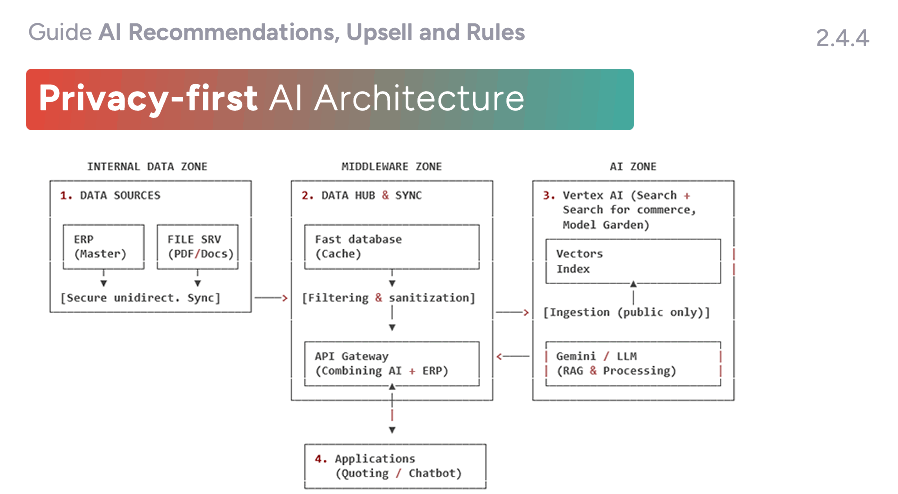
From our experience, we illustrate a middleware between a company’s legacy software (e.g. ERP) and cloud-based AI technologies. It can run on-premise or in the cloud and controls which information is exposed to AI and which stays within a separate perimeter, ensuring compliance with ISO 27001, GDPR, or NIS2.
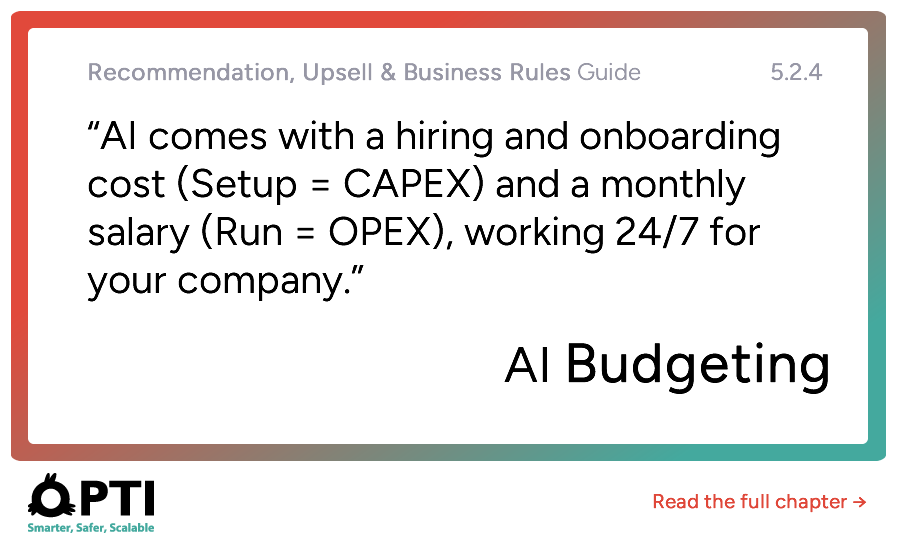
Among the barriers to AI adoption is the lack of a clear view of the real costs and the internal and external roles required for implementation. In this guide, we address both directly, with a strong focus on the need for data cleansing within the organization.
“The WhatsApp Economy” — media coverage and commentary (Wall-Street, Revista Biz, Agerpres)
The business press has already picked up the signals from our “B2B Architecture 2026” study. In the age of AI speed, companies are operating on outdated ERP systems, filled with cryptic abbreviations (e.g. “Rob. buc. cr.”). See what Wall-Street writes about “The WhatsApp Economy.”
Why Hybrid Architecture Requires Cloud Expertise. Plus, more on the Google Cloud ecosystem
The ecosystem is divided between global consultancies (large-scale projects with complex governance), large local players (specialized in long-term engagements), and specialized, agile teams (ideal for scalability). What matters is the logic of the company, not the AI model they use.